Why RPG Games Are Taking Over the Gaming World: Trends, Genres, and Future Prospects
The gaming industry has witnessed a massive shift over the past few decades, with Role-Playing Games (RPGs) taking center stage. They offer players intricate worlds to explore, deep narratives, and unique character development systems. This article will delve into the reasons behind the rise of RPG games, their various genres, and what the future holds for this dynamic category of games.
Understanding RPG Games: A Quick Overview
RPG games, or Role-Playing Games, allow players to assume the roles of characters in a fictional setting. Players engage in various missions and quests, where they develop their characters' skills and attributes. There's a rich array of RPGs, from tabletop games like Dungeons & Dragons to sprawling video games like The Witcher series. Players participate in interactive storytelling, experiencing elements of choice and consequence.
Key Features of RPG Games
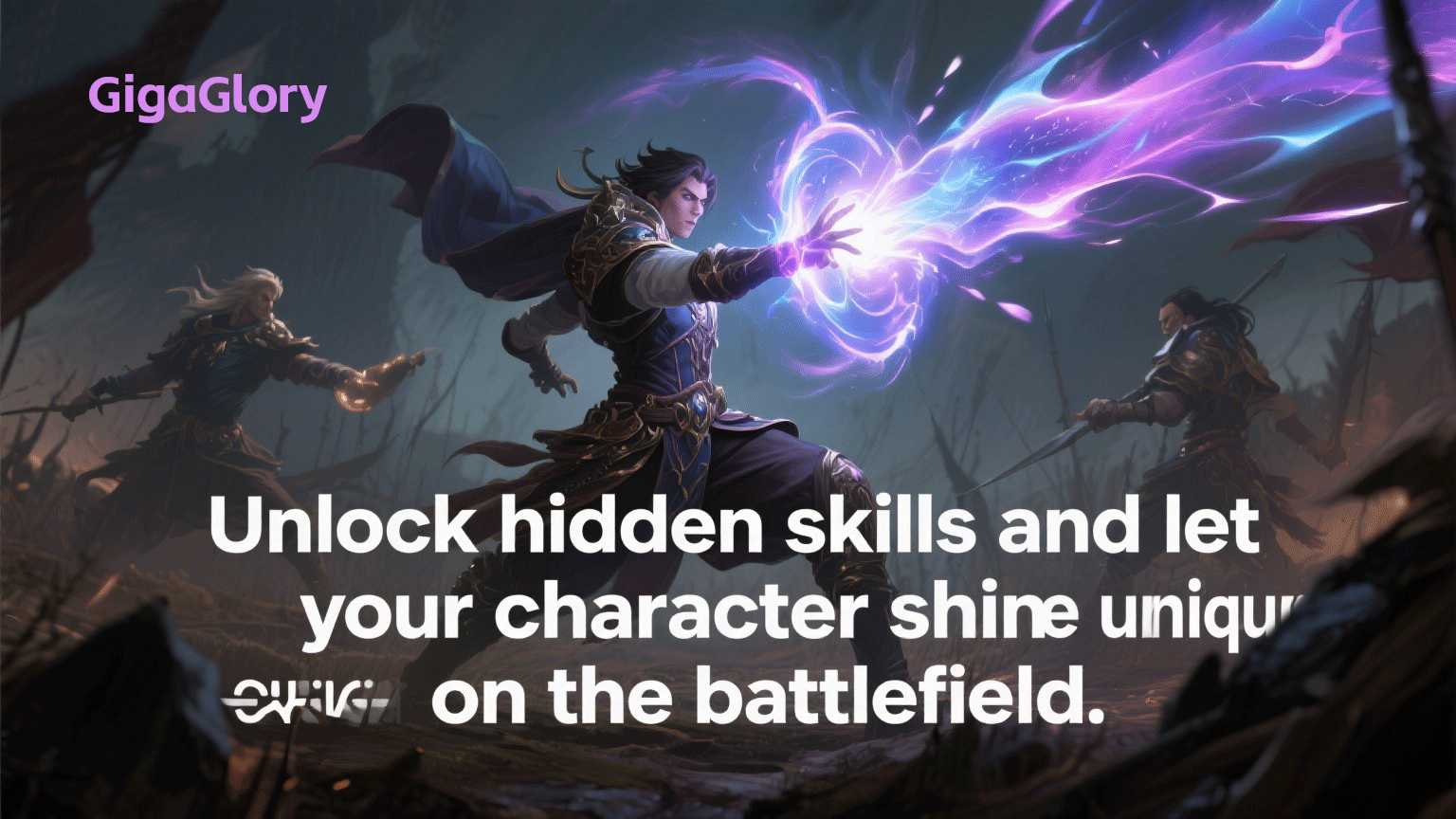
- Character Development: Players can customize their characters' appearance, skills, and abilities, shaping their journey.
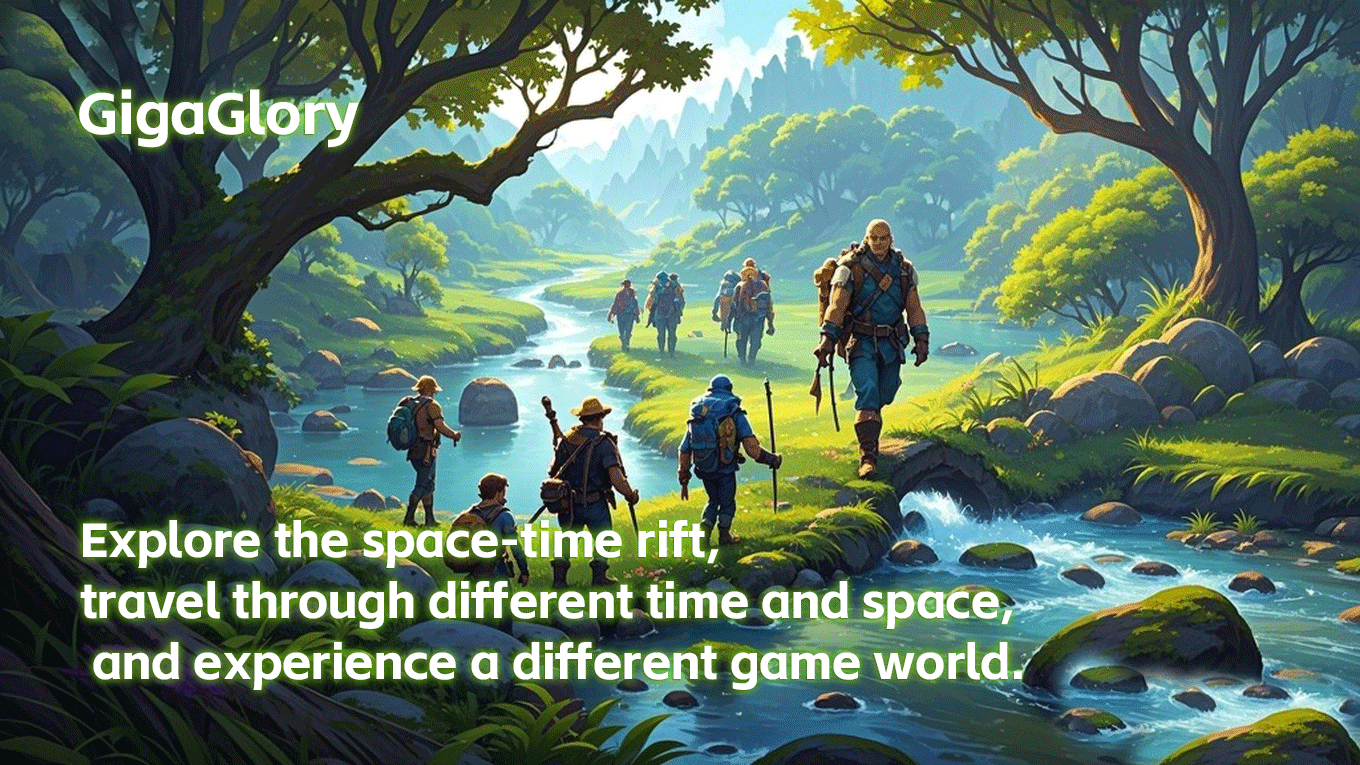
- Immersive Worlds: RPGs often feature expansive, detailed environments filled with lore.
- Complex Narratives: These games tell stories with deep plots and rich backstories, often influenced by player decisions.
- Social Interaction: Many RPGs allow cooperation or competition between players, enhancing engagement.
Trends Influencing RPG Popularity
Several trends have contributed to the surge in popularity of RPGs in recent years. These trends are reshaping the gaming landscape:
- **Increased Accessibility:** With the rise of digital platforms, RPGs have become easily accessible on multiple devices, reaching a broader audience.
- **Shift in Player Expectations:** Modern gamers seek intricate narratives and character arcs, which RPGs excel in providing.
- **Cross-Genre Blends:** RPG elements are increasingly integrated into other genres, including first-person shooters and adventure games.
Popular RPG Genres
RPGs encompass a variety of genres, each with its unique mechanics and player experiences. Here’s a breakdown of some key RPG genres:
| Genre | Description |
|---|---|
| Action RPG | Focuses on real-time combat mechanics with role-playing elements. Example: Dark Souls. |
| Turn-Based RPG | Emphasizes strategic planning during combat with turn-based mechanics. Example: Final Fantasy. |
| MMORPG | Massively multiplayer online RPGs that support hundreds or thousands of players in a shared world. Example: World of Warcraft. |
| Sandbox RPG | Players can explore vast worlds and shape their own narratives without predefined paths. Example: Skyrim. |
The Influence of Technology on RPGs
Advancements in technology have also played a significant role in the evolution of RPGs. The transition from 2D graphics to immersive 3D environments has enhanced the storytelling experience. With the advent of virtual reality (VR) and augmented reality (AR), players can now interact with game worlds like never before.
Case Study: Novalogic Delta Force Black Hawk Down
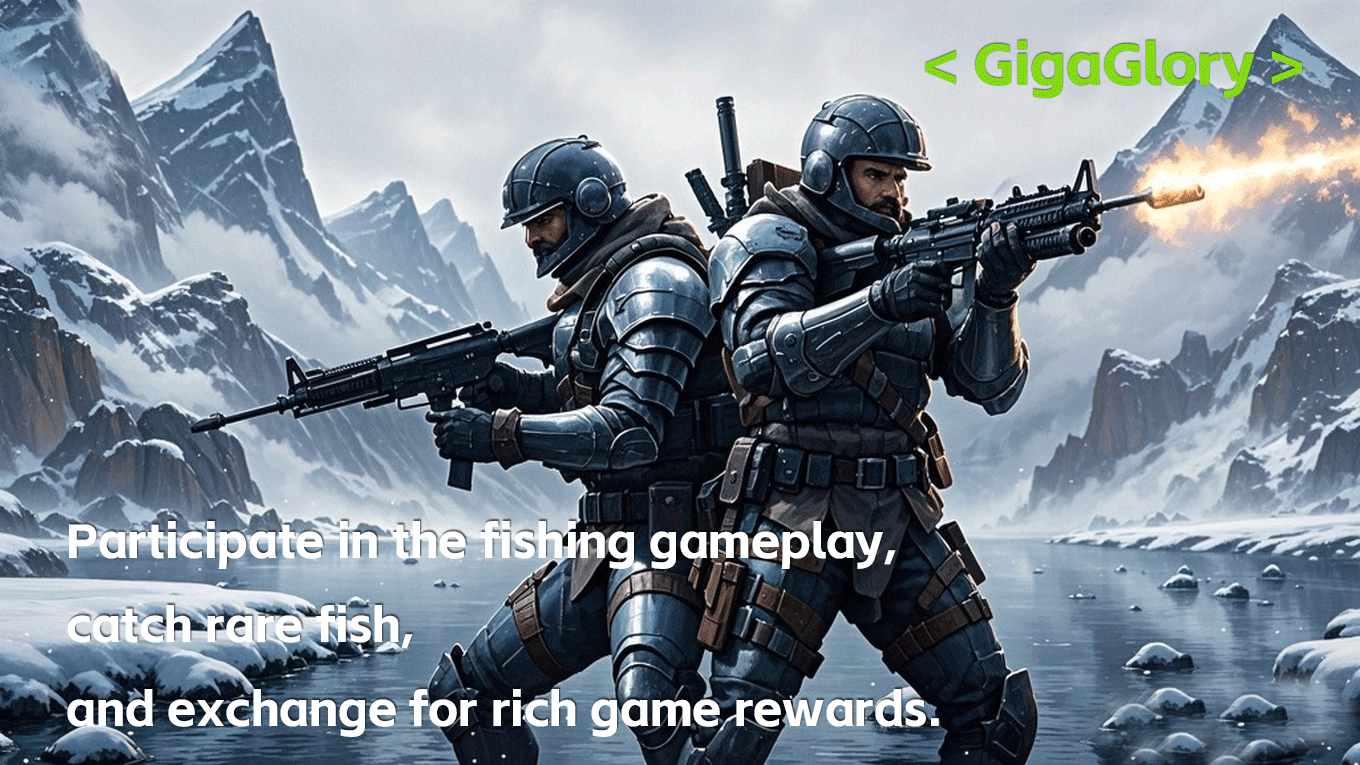
“Novalogic Delta Force Black Hawk Down” is a prime example of how RPG elements have successfully blended into war games. It combines robust character development with tactical gameplay, allowing players to craft their experience while engaging in thrilling missions. This fusion of genres exemplifies the versatility and adaptability of RPG elements in various gaming landscapes.
Player Engagement Through Storytelling
One of the main attractions of RPG games is their storytelling ability. Players often become emotionally invested in characters and their narratives. This emotional engagement fosters a deeper connection, making RPGs not just games but experiences that resonate with players on a personal level.
Future Prospects: What Lies Ahead for RPGs?
As we look toward the future, several exciting possibilities emerge for RPGs:
- **Continued Integration of AI:** More sophisticated AI will enhance NPC behaviors, creating richer interactions and dynamic storytelling.
- **Enhanced Customization:** Players can expect increasingly detailed customization options allowing for personal expression.
- **Expanded Online Experiences:** MMORPGs will continue to thrive, with more engaging online interactions and social components.
RPGs and Cultural Impact
RPGs have transcended gaming, influencing various aspects of popular culture, including films, novels, and even academic studies. They have created communities where players share experiences, develop friendships, and collaborate, forming a unique cultural identity.
Exploring Emotional Connections in RPGs
Through carefully crafted narratives and character development, RPGs evoke emotions. Many players recount their journeys through games as some of the most significant experiences of their lives, demonstrating the profound impact of immersive storytelling.
Frequently Asked Questions (FAQs)
What defines an RPG game?
An RPG game is generally characterized by its focus on player choice, character development, and an immersive storytelling experience.
Are all RPGs online multiplayer?
No, while many RPGs offer online multiplayer experiences, there are also numerous single-player RPGs available.
What is the difference between RPG and other game genres?
The primary distinction lies in the emphasis on character development and narrative-driven gameplay, whereas other genres may focus more on specific mechanics like action or strategy.
Key Takeaways
To summarize, the rise of RPG games signifies a transformative era in the gaming industry. The combination of storytelling, character depth, and technological advancements ensures that RPGs will continue to thrive in the rapidly evolving marketplace. As players seek enriched experiences, we can anticipate fascinating developments that will keep the genre fresh and engaging.
Conclusion
RPGs are not just a passing trend; they have fundamentally reshaped the gaming landscape. With their ability to immerse, engage, and resonate on personal levels, it's clear why they are taking over the gaming world. Players can look forward to innovation and creativity as RPGs evolve, promising even richer experiences in the years to come.