Why Idle Games Redefine Fun: Exploring the Rise of Hyper Casual Games
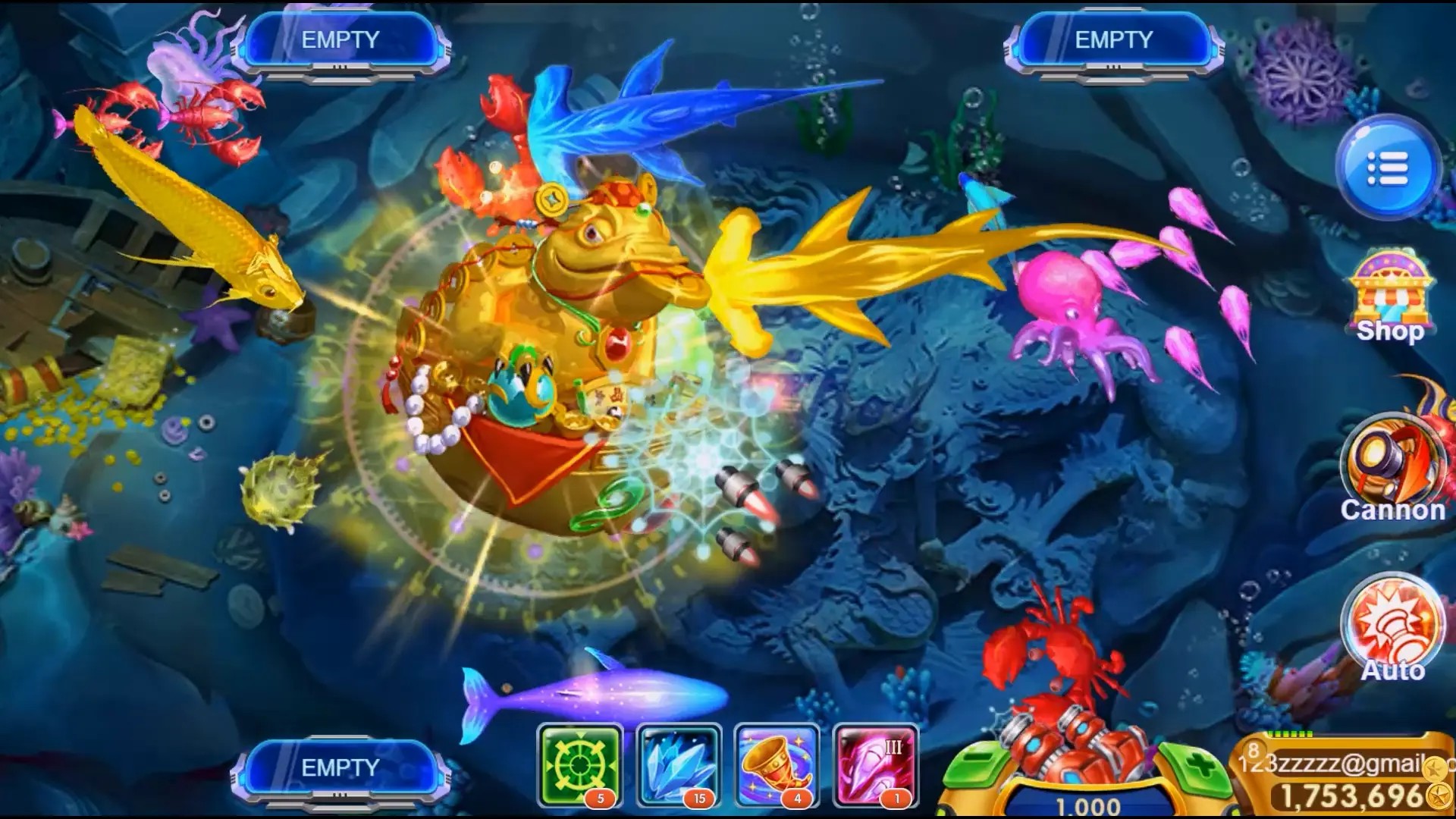
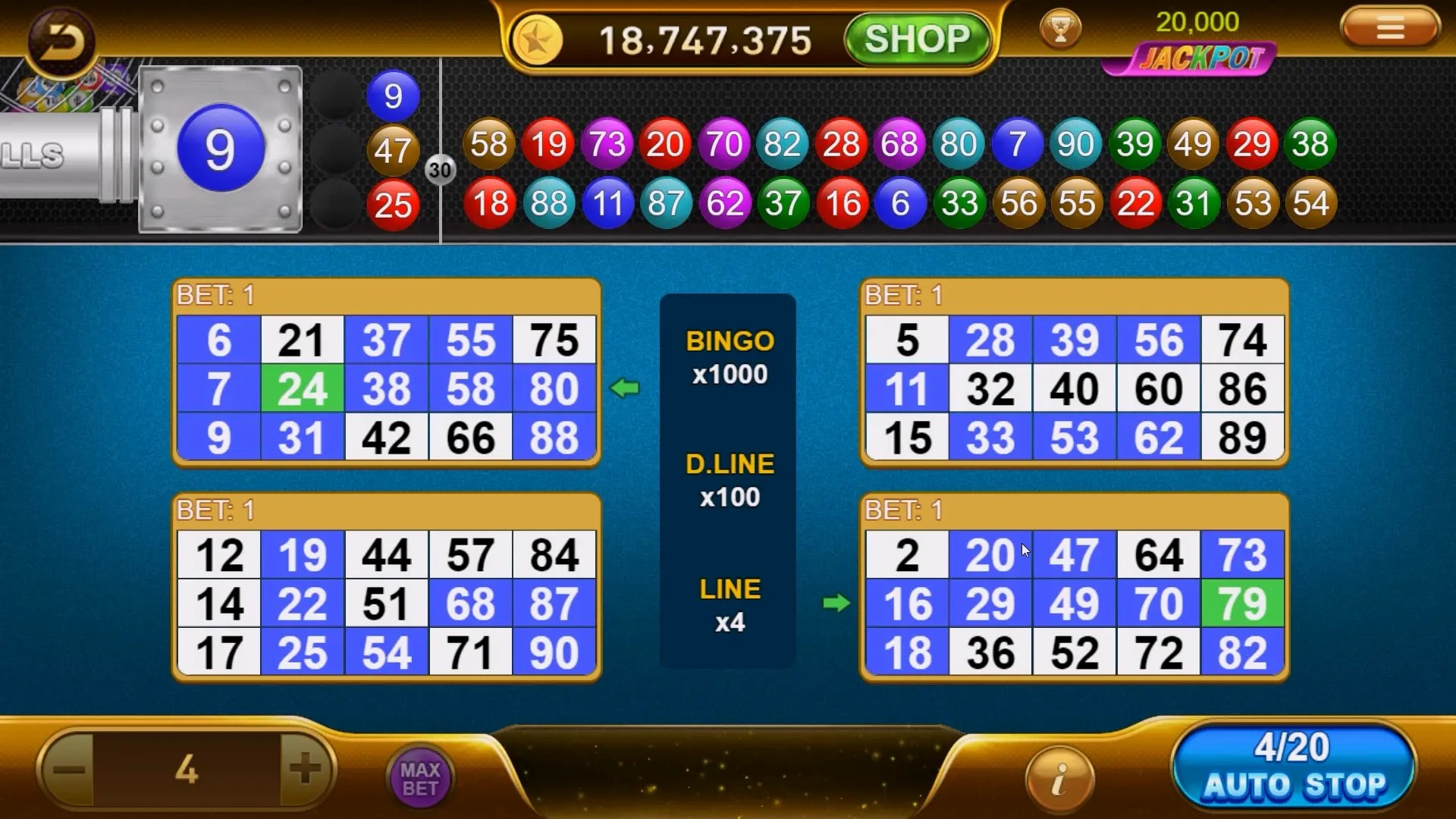
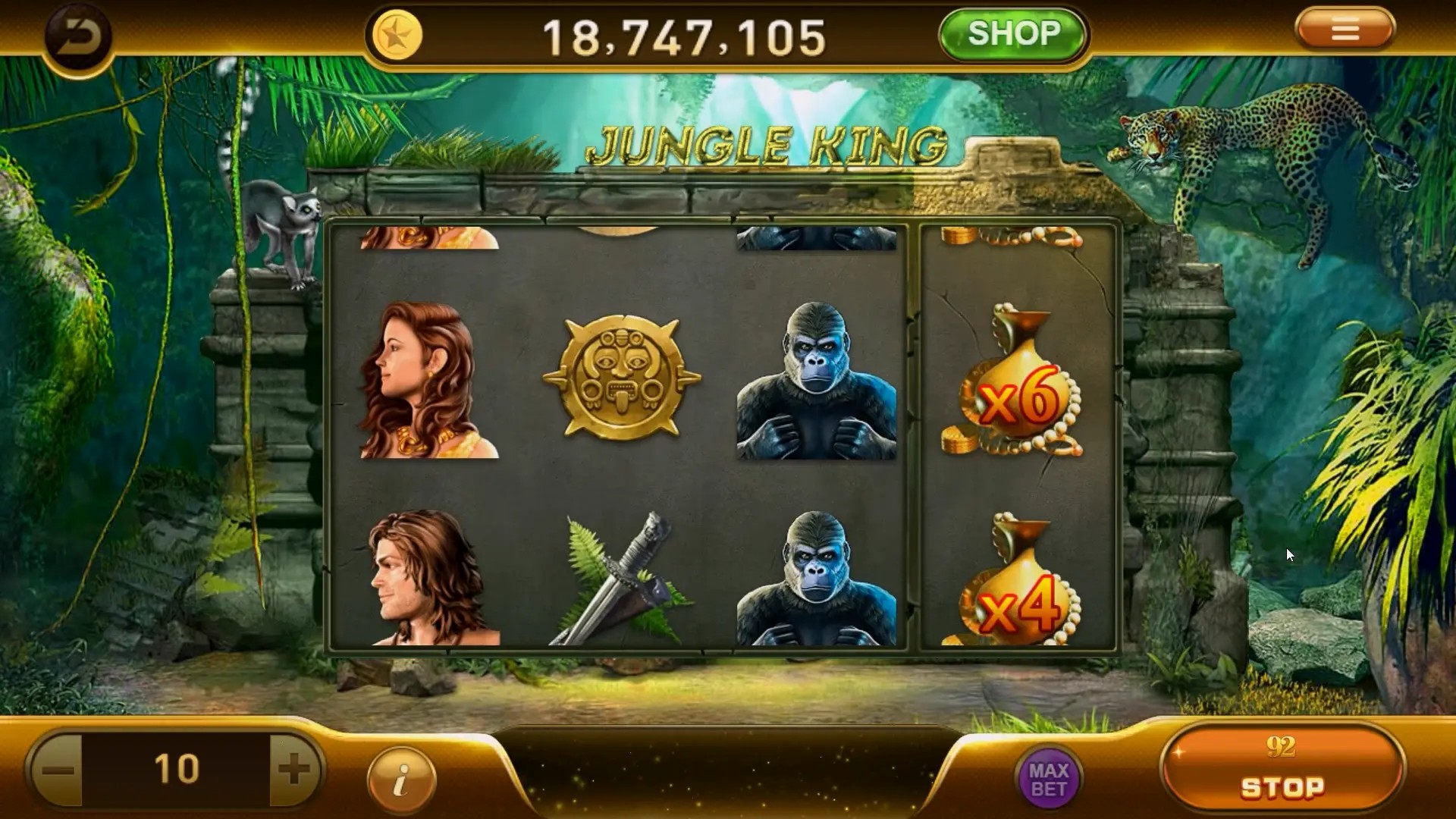
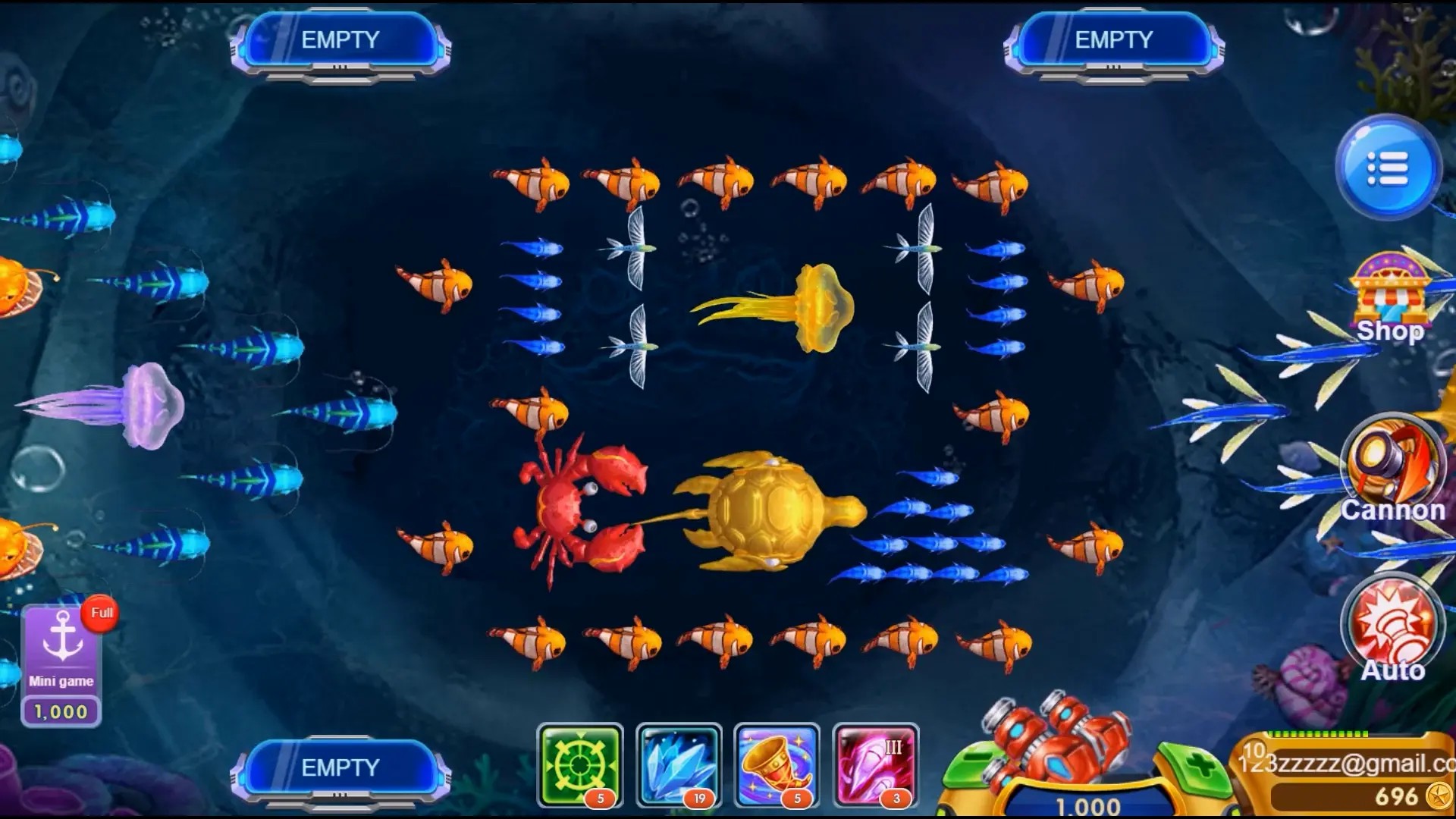
In recent years, the gaming landscape has shifted dramatically, driven largely by the surge in popularity of idle games and hyper casual games. These gaming genres have not only captivated a vast audience but have also paved the way for new definitions of fun and play. This article explores why these games have become so popular, the connection between idle and hyper casual games, and how they compare to more traditional genres like medieval RPG games on PC and board games such as Kingdom Death.
The Evolution of Idle Games
Idle games, also known as incremental games, focus on simplicity and addictiveness. Players can progress even while not actively taking part in the game. The charm lies in the mechanics—players build and upgrade their in-game assets while seeing incremental progress over time. Games like Adventure Capitalist or Cookie Clicker have set the stage for what idle gaming represents.
What Are Hyper Casual Games?
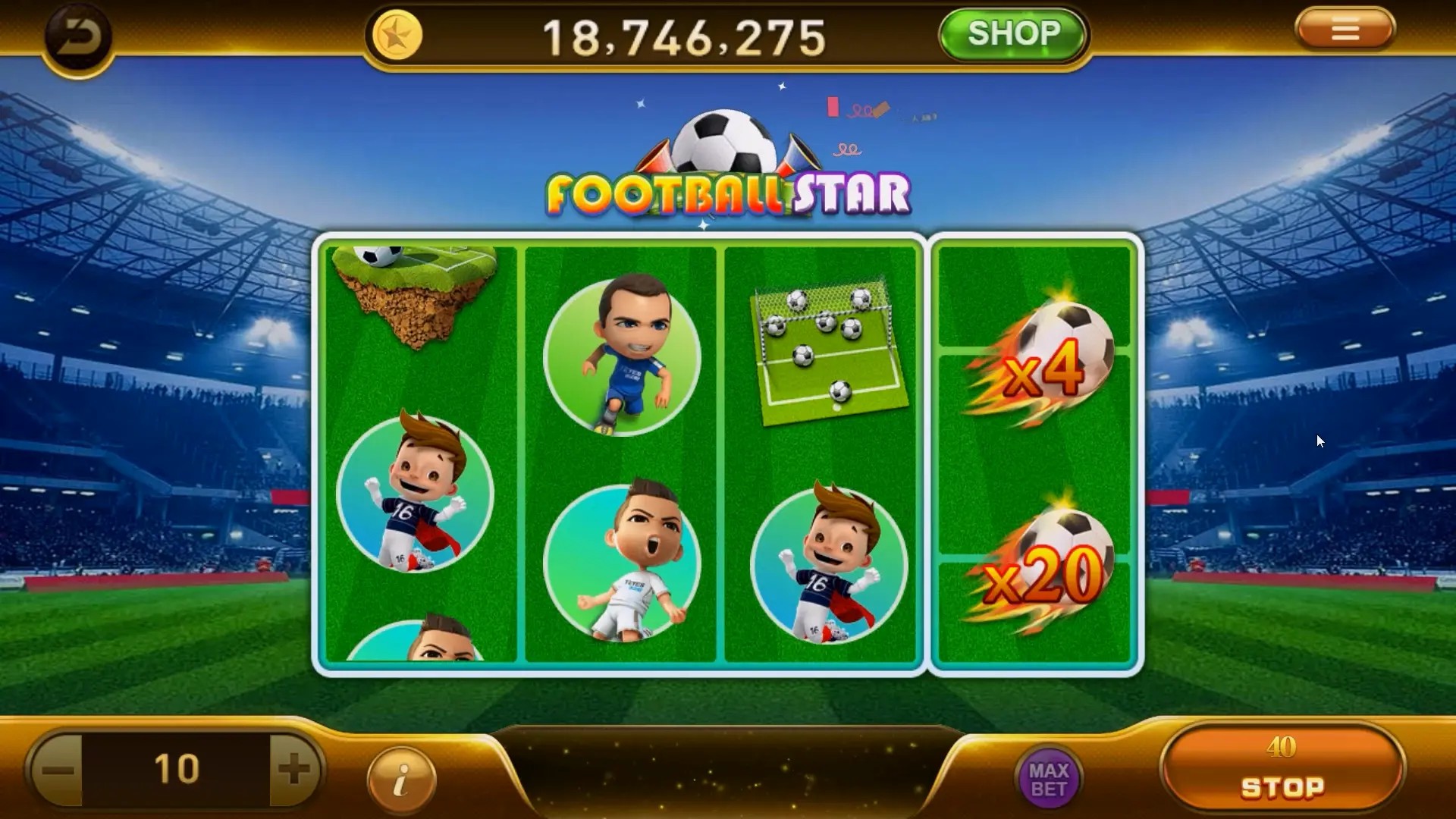
Hyper casual games, on the other hand, prioritize accessibility and quick play sessions. Often featuring simple mechanics and minimal design, they encourage short bursts of gaming that seamlessly fit into busy lifestyles. The likes of Helix Jump and Flappy Bird demonstrate just how engaging these games can be, requiring little more than a tap or a swipe.
The Intersection of Idle and Hyper Casual Genres
Both idle and hyper casual games share core philosophies—easy to play and hard to master. Players are drawn to their low-entry threshold, allowing anyone to pick them up and start playing instantly. It's about rewarding players with a sense of achievement without heavy investment in time or resources.
The Appeal of Satisfying Progression
One of the strongest draws of idle games and hyper casual games lies in their satisfying progression mechanics. Players are often rewarded for their time. Imagine setting up a bakery in an idle game, where your profits multiply exponentially while you are away. This principle keeps players engaged and returning for more!
Comparison with Traditional Games
In contrast, traditional board games like Kingdom Death and *medieval RPG games on PC* involve complex mechanics, deeper narratives, and oftentimes longer gameplay sessions. While they offer their unique rewards and experiences, the commitment level is significantly higher than what idle and hyper casual games require.
| Aspect | Idle Games | Hyper Casual Games | Traditional Games |
|---|---|---|---|
| Gameplay Style | Incremental | Quick & Simple | Complex & Narrative |
| Player Engagement | Asynchronous | Short Sessions | Long Hours |
| Learning Curve | Minimal | None | Steep |
The Role of Mobile Gaming
Mobile technology has played a crucial role in the rise of idle and hyper casual games. With smartphones becoming more ubiquitous in Pakistan, mobile gaming has truly flourished. Now, players can enjoy their favorite games on-the-go, making these genres even more enticing.
Monetization Strategies of Idle and Hyper Casual Games
Developers have also tapped into innovative monetization strategies within these genres. Using ads and in-app purchases, studios can profit significantly while still providing free content. It creates a cycle of engagement, where players are willing to spend to enhance their experiences, often driven by the inherent satisfaction derived from their gaming progress.
Social Interaction in Gaming
Although idle and hyper casual games focus mainly on individual progress, they have found ways to integrate social elements. Players can share their achievements, join leaderboards, or engage in multiplayer modes that keep the gaming community active and thriving.
The Future of Idle and Hyper Casual Games
As technology evolves, so too will the mechanics of idle and hyper casual games. Expect to see more sophisticated graphics and deeper gameplay experiences, without losing the charm of simplicity that attracted players in the first place. Game developers are constantly innovating, ensuring that these genres remain fresh and relevant.
Conclusion
The explosion of popularity around idle games and hyper casual games highlights an essential shift in what players find enjoyable. The flexibility, satisfying progression, and straightforward mechanics redefine the notion of fun. As they stand in contrast to more traditional options like Kingdom Death and *medieval RPG games for PC*, it’s clear that these genres have cemented their place in the gaming world, particularly among busy players looking for moments of easy escape. The future is bright for idle games as they continue to evolve and redefine our gaming experiences.