Turn-Based Strategy Games: Master the Art of Tactical Gameplay

Update time:last week
14 Views
game

game

game

game

game

game

game

game

game

game

game

game

game

game

game

game

Why Turn-Based Strategy Games Still Dominate the Scene

Let’s be real—everyone thought real-time action games killed the turn-based experience. Spoiler: they didn’t. In fact, turn-based strategy games have slipped into our pockets, our tablets, and even our morning commutes like stealthy assassins on a grid map. There’s something weirdly satisfying about pausing, planning, and then unleashing chaos in slow motion. No frantic thumb-sliding. Just you, your wits, and maybe a questionable decision involving goblins. Game designers, bless 'em, know this secret sauce. Whether it’s *Puzzle Kingdoms Quest 2* or something buried deep in Steam’s “Hidden Gems" folder, **tactical gameplay lets your brain play four-dimensional chess while the world screams “Faster!"** And hey—don’t underestimate the power of waiting. Your opponent isn’t rushing. You aren’t panicking. It’s chess. It’s XCOM. It’s that moment in *The Last Jedi* where the Lego version of Poe flies into danger like a sugar-rushed Jedi. Which, okay, might not make sense, but that Lego star wars game? Kinda brilliant.

Puzzle Kingdoms Quest 2: When Brains Meet Brawn

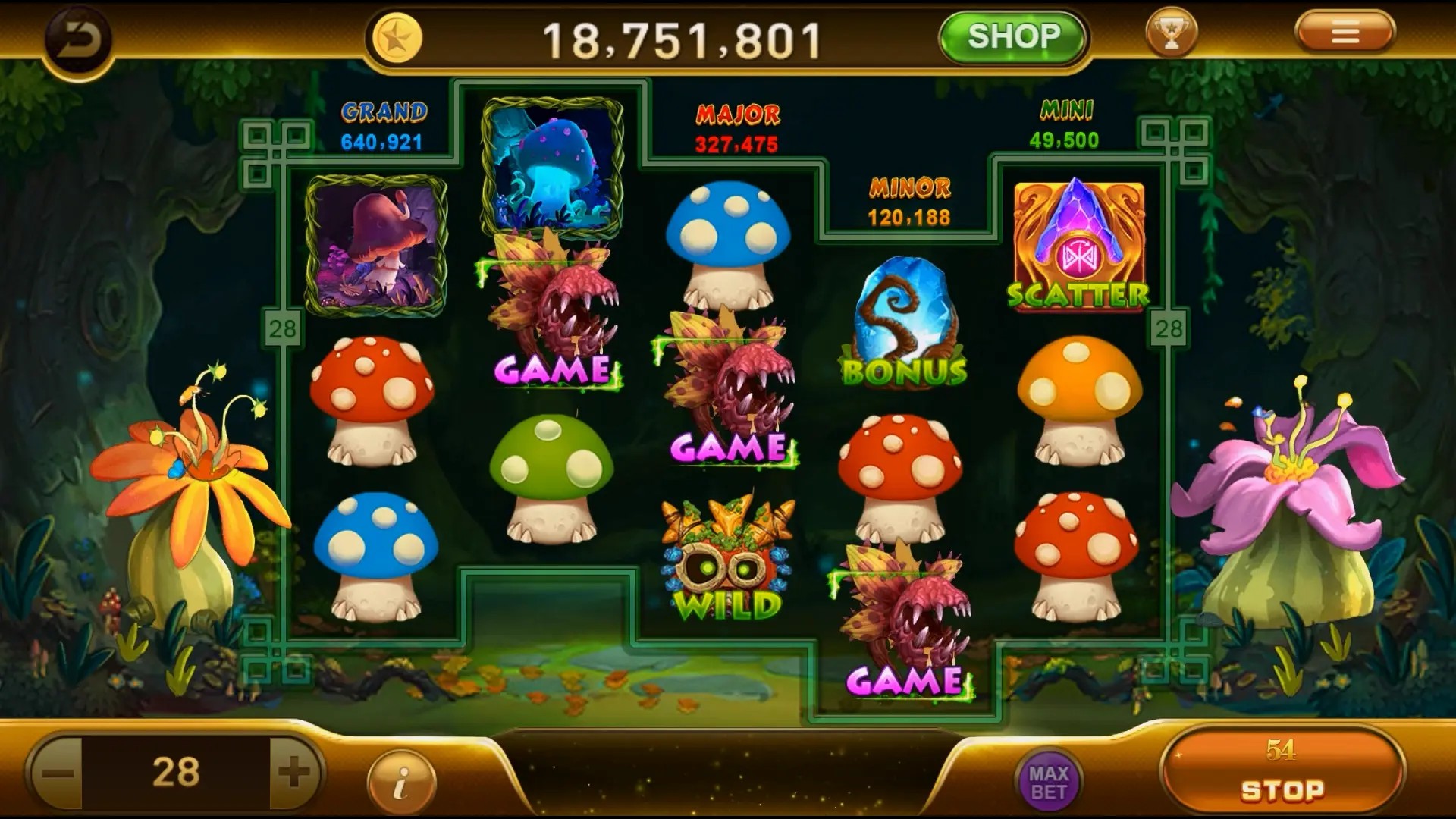
This one’s sneaky. On the surface? Looks like a cozy match-3 puzzle romp. Flowers! Rainbows! Talking mushrooms with attitude. But peel back the layer—and *bam*—you're knee-deep in kingdom management, hero leveling, and tactical skirmishes that feel like Scrabble meets Warcraft. Each turn forces a decision:
  • Do I heal my ranger or summon a tree golem?
  • Is now the time to unlock the Fireberry Spellbook?
  • Why does the mushroom king hate my tax policy?
It’s not just a game—it’s a therapy session with dice rolls. **Turn based strategy games** at their most deceptive: playful visuals masking brutal strategic choices. And unlike some AAA mess where you just mash ‘X’, here? Every tap matters. You *feel* the consequence of placing that fire spell one tile too far. Regret tastes like burnt marshmallows.
Feature Puzzle Kingdoms Quest 2 Classic Strategy Norms
Learning Curve Gentle intro, sharp mid-game Often steep
Visual Tone Fantasy cartoonish Gravel-voiced grunts, war room vibes
Puzzle Mechanics Core to combat Rarely integrated
See the gap? It’s bridging *puzzle lovers* and *warlords with maps taped to their walls*. Genius. And yes, it deserves your attention.

Remember The Last Jedi Lego Star Wars Game?

Not a standalone title? Cool. But stick with me. Fans went *nuts* looking for a dedicated *Last Jedi* Lego entry. It never quite dropped like Episode IV’s classic build. Yet—somewhere in the Lego Dimensions backlog, fan mods, or that sketchy ROM site your cousin linked—there's a glimmer. A Kylo Ren figurine screaming, lightsaber flailing, trying to win a battle of wits in a **turn based strategy game** mode nobody saw coming. Imagine this: You’re commanding Lego Resistance forces. Turns rotate. Hux gives terrible orders. Finn trips over a blaster. You, cool as ice, flank via the trash compactor. It’s ridiculous. It’s strategic. It’s *fun*. The absence of a proper *Last Jedi* **game** only proves demand is still… glowing red, like that cross-guard lightsaber. Developers might wanna peek at the analytics. Because people don’t just want button-mashing—*they want the power of pause*.

So, Is Tactical Gameplay the Secret?

Maybe. But it’s more nuanced. The real appeal of a good **game** in the **turn based strategy games** genre isn’t complexity. It’s control. In a world spinning too fast, hitting “End Turn" feels like breathing. Like reclaiming a second of sanity. You aren’t reacting—you’re orchestrating. > Key takeaways: > - Turn based gameplay rewards foresight, not twitch reflexes > - Titles like **Puzzle Kingdoms Quest 2** redefine accessibility without losing depth > - Pop culture gaps (ahem, *Last Jedi Lego game*) reveal hunger for tactical fun > - **Game** design that merges humor and strategy often lasts longer than war epics The future isn’t necessarily faster. It’s more calculated.

Conclusion

Turn-based strategy games aren't hanging on by a thread—they're evolving, chuckling in the shadows while everyone chases photorealistic explosions. From the clever tile-tapping of *Puzzle Kingdoms Quest 2* to the *“where’s my Lego Jedi fix?"* frustration, one truth remains: **tactical gameplay** isn't niche. It's patient. It waits. And when it strikes—usually on turn six, after a well-placed ambush—it wins. Not with speed, but with smarts. For Serbian gamers who value thinking over twitching, the board is set. Your move.

Leave a Comment

© 2026 NftRoice: Crypto World